
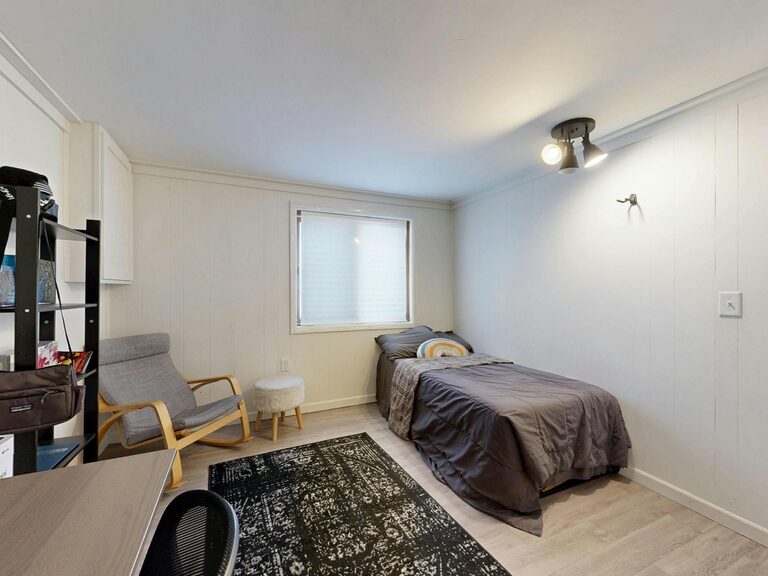
Creating a calm and quiet home environment is important for relaxation, focus, and overall well-being. Whether you live in a busy city, near a noisy street, or simply want to minimize disturbances inside your home, there are practical and affordable ways to reduce noise. This guide offers simple steps you can take to make your home a quieter and more comfortable place to be.
Understanding Noise Sources at Home
Before jumping into solutions, it’s helpful to identify where the noise is coming from. Common sources include:
– Street traffic and outdoor sounds
– Loud appliances (e.g., washing machines, HVAC systems)
– Voices, TV, or music from other rooms
– Footsteps and household movements
– Structural noise traveling through walls, floors, or ceilings
Once you know the main noise offenders, you can target the most effective methods to reduce them.
Simple Steps to Reduce Noise at Home
1. Use Soft Furnishings to Absorb Sound
Hard surfaces reflect sound, causing echoes and amplifying noise. Introducing soft materials can help absorb sound waves, reducing noise levels.
– Add rugs or carpets on floors
– Use heavy curtains or drapes on windows
– Include upholstered furniture and cushions
– Hang fabric wall art or tapestries
These items help muffle sounds and make rooms feel quieter.
2. Seal Gaps and Cracks
Sound can travel through small gaps around windows, doors, and walls. Sealing these spaces limits noise from outside and other rooms.
– Install weather stripping around doors and windows
– Use door sweeps at the bottom of doors
– Apply acoustic caulk to cracks or gaps in walls
– Check electrical outlets and switch plates for openings and seal them
This simple maintenance improves noise control significantly.
3. Rearrange Furniture Strategically
Furniture placement can also act as a barrier to noise.
– Place bookshelves or large cabinets against shared walls
– Position upholstered furniture near windows facing noisy streets
– Use room dividers or screens to break up open spaces
Creating physical buffers helps reduce how much noise travels.
4. Use White Noise or Sound Machines
Sometimes blocking noise isn’t enough, and adding a gentle background sound can mask disruptive noises.
– White noise machines provide consistent, soothing sounds
– Fans or air purifiers create low-level hums
– Nature sounds apps or playlists can promote relaxation
This method is especially useful in bedrooms and home offices.
5. Upgrade Windows and Doors if Possible
Old or thin windows and doors can let in more noise. Upgrading to soundproof or double-glazed windows and solid-core doors can improve noise insulation.
– Double-pane windows reduce sound transmission
– Adding window inserts is a less expensive alternative
– Solid-core doors block more noise than hollow-core ones
Investing in these upgrades enhances long-term soundproofing.
6. Add Acoustic Panels or Foam
For a more targeted approach, acoustic panels or foam tiles reduce echo and absorb sound in noisy rooms.
– Install panels on walls or ceilings where noise is problematic
– Use decorative panels to blend with your interior style
– Place foam tiles in corners to reduce sound reflections
This method is popular in home offices or media rooms.
7. Manage Noisy Appliances and Electronics
Some household devices are louder than others. Minimizing their noise or moving them can help.
– Use appliance pads or mats to reduce vibration noise
– Maintain and clean appliances regularly to avoid louder sounds
– Place noisy machines away from living or sleeping areas
– Consider quieter models when replacing appliances
Small adjustments can make appliances less disruptive.
Maintaining a Quiet Home Over Time
Noise control requires ongoing attention. Here are some tips to keep noise down long term:
– Regularly inspect and reseal gaps in doors and windows
– Replace worn weather stripping as needed
– Avoid noisy activities during quiet hours
– Establish house rules about noise levels for all residents
– Keep music and TV volumes reasonable
– Use rugs and soft furnishings even if you update your floorings
By making noise reduction part of your routine, you create a more peaceful living space.
Final Thoughts
Reducing noise at home doesn’t have to be complicated or expensive. With a combination of soft furnishings, sealing gaps, strategic furniture placement, and simple upgrades, you can significantly lower unwanted noise. Whether you’re working remotely, relaxing, or sleeping, these practical steps help you enjoy a calmer, more comfortable home environment.
Start small with what fits your budget and needs, then build on your efforts for lasting peace and quiet. Your home will thank you!