
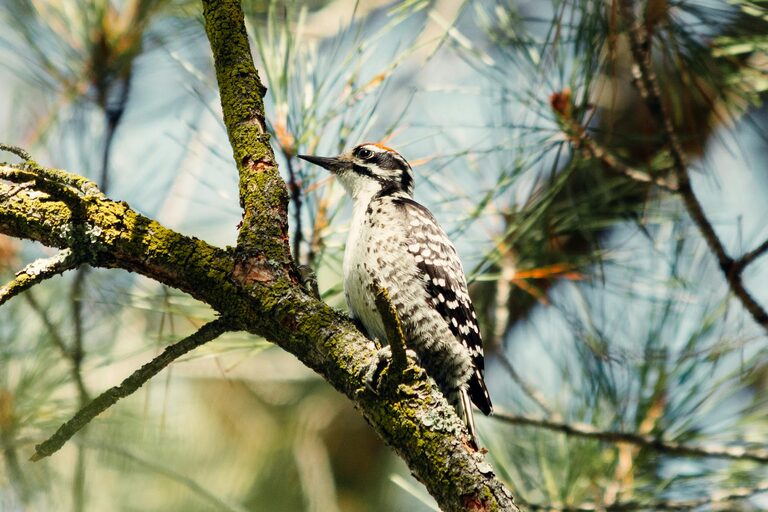
Birdwatching is a delightful way to connect with nature right in your own backyard. Whether you live in the city or countryside, observing birds can be both relaxing and educational. If you’re new to birdwatching, this post will guide you through simple tips to get started, from setting up your space to spotting and identifying your feathered visitors.
Why Backyard Birdwatching?
Birdwatching in your backyard is an accessible hobby that requires minimal equipment and can be enjoyed any time of year. It encourages mindfulness and a deeper appreciation for the environment. Plus, it can be a fun activity for all ages.
Getting Started: What You’ll Need
1. A Bird Feeder
Providing food is a great way to attract birds. There are several types of bird feeders to consider:
– Seed Feeders: Attract species like finches, sparrows, and chickadees.
– Suet Feeders: Great for woodpeckers and nuthatches, especially in colder months.
– Nectar Feeders: Ideal for hummingbirds if you live in an appropriate climate.
Choose seed mixes that suit local bird species or consult a local birding group for advice.
2. Water Source
Birds need water for drinking and bathing. A simple birdbath or shallow dish of fresh water can attract birds to your yard. Remember to clean it regularly to keep the water fresh and safe.
3. Shelter and Habitat
Trees, shrubs, and native plants provide shelter and nesting sites. Adding native plants can attract a wider variety of birds by providing natural food sources like berries and insects.
4. Binoculars and Field Guide
While binoculars aren’t mandatory, they enhance the birdwatching experience by giving you a closer look. A field guide or bird identification app can help you recognize the species visiting your yard.
Tips for Successful Backyard Birdwatching
1. Choose the Right Location
Place your bird feeder where it’s visible from a window or patio. Having a viewing spot with a clear line of sight helps you enjoy the birds without disturbing them.
2. Be Patient and Observant
Birds may take time to discover new food sources. Once they do, you’ll usually see an increase in visitors. Watch carefully for different behaviors such as feeding, preening, or calling—it all tells a story about the birds’ lives.
3. Keep Feeders Clean
Moldy or old birdseed can harm birds. Clean your feeders regularly and replace food as needed to maintain a healthy feeding environment.
4. Avoid Pesticides
Using pesticides in your yard can reduce the insect population, which many birds rely on for food. To encourage a healthy bird population, opt for natural yard care methods.
5. Record Your Sightings
Keeping a simple notebook or using a birding app to log what you see can make the hobby more engaging and help you notice patterns over time.
Understanding Bird Behavior
Learning basic bird behavior can enhance your appreciation and success in birdwatching:
– Feeding Patterns: Some birds feed on seeds, others hunt insects or feed on nectar.
– Social Behavior: Watch for birds gathering in flocks or watching for predators nearby.
– Migration: Depending on your location, certain birds may only visit seasonally.
Fun Activities to Enhance Your Experience
Create a Bird Journal
Record dates, species, weather conditions, and notes about behavior or appearance. This can be enjoyable for kids and adults alike.
Photography
Try capturing photos of the birds in your backyard. Even a smartphone can take great pictures. This also helps with identification later.
Join Local Birdwatching Groups
Connecting with others is rewarding and can provide valuable tips about the birds native to your area.
Final Thoughts
Backyard birdwatching is a peaceful and educational hobby that invites you to slow down and enjoy the wonders of nature. By setting up a welcoming environment, being patient, and staying curious, you’ll find that birds bring joy and beauty to your everyday life. Start today and watch your backyard come alive with feathered friends!