
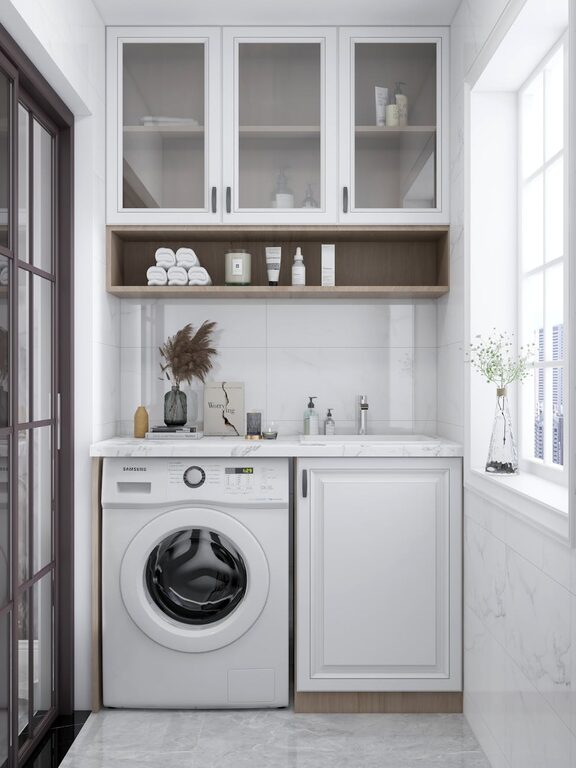
Living in a noisy home can be stressful and distracting, affecting your ability to relax, focus, or sleep well. Whether noise comes from outside traffic, noisy neighbors, or everyday household sounds, there are simple and affordable ways to reduce it. In this post, we’ll explore practical tips to help you create a quieter, more peaceful living space.
Why Reducing Noise at Home Matters
Excessive noise can impact your well-being, from increasing stress to disturbing your concentration and sleep quality. Even small changes in your home environment can help block or absorb sound, making your space more comfortable for everyone.
Assessing Noise Sources in Your Home
Before starting, it’s helpful to identify where most of the noise is coming from:
– Outside traffic or neighbors
– Loud appliances (washing machine, dishwasher)
– Echoes or hollow sounds inside rooms
– Sounds traveling between rooms or floors
Knowing the main sources will help you decide which solutions will work best.
Simple Ways to Reduce Noise at Home
1. Use Soft Furnishings to Absorb Sound
Hard surfaces reflect sound waves, which can make noise seem louder. Adding soft materials helps absorb sound and reduce echoes.
– Rugs and carpets: Place rugs in rooms with hard floors to soften footsteps and muffle sounds.
– Curtains and drapes: Thick curtains can block some outside noise through windows and reduce echo inside.
– Pillows and upholstered furniture: Adding cushions or soft chairs also helps dampen sound naturally.
2. Seal Gaps and Cracks
Sound can easily pass through gaps around doors, windows, and walls.
– Use weatherstripping tape or door sweeps to seal gaps under doors.
– Apply caulk or foam sealant around window frames and wall cracks.
– Check your home for small openings where sound may leak through and seal them properly.
3. Rearrange Furniture Wisely
Strategic furniture placement can act as sound barriers.
– Place bookshelves or tall furniture against walls shared with noisy neighbors.
– Arrange sofas and chairs away from noisy zones or near walls that face outside noise.
– Use room dividers or screens in open spaces to break up sound paths.
4. Add Soundproofing Materials
If noise is a persistent problem, consider adding soundproofing materials in key areas.
– Acoustic panels: These can be mounted on walls or ceilings to absorb sound effectively.
– Door seals: Upgrade to solid-core doors with proper seals that block noise better than hollow-core versions.
– Double-glazed windows: These help reduce noise from outside traffic or busy streets.
5. Use White Noise or Soft Music
Sometimes masking unwanted noise is easier than fully blocking it.
– White noise machines create consistent background sound that can drown out sudden noises.
– Playing soft music or nature sounds can also improve relaxation and focus by masking disruptive sounds.
6. Maintain Quiet Habits at Home
Simple lifestyle changes help keep the noise down.
– Use appliances during daytime hours rather than late at night.
– Lower the volume on TVs, radios, and devices.
– Encourage family members to use headphones when listening to music or gaming.
Additional Tips for Specific Rooms
Bedrooms
– Invest in blackout curtains with soundproof lining.
– Use door draft stoppers to prevent hallway noise.
– Place a soft rug near the bed to reduce footsteps.
Home Office
– Position your desk away from noisy windows or doors.
– Add a soft rug and acoustic panels to improve focus by cutting noise.
– Use noise-canceling headphones if external sounds are unavoidable.
Living Room
– Use plush furniture and layered textiles like throws and cushions.
– Keep windows closed during peak traffic times to reduce street noise.
– Consider thick curtains for sliding doors or large windows.
Final Thoughts
Reducing noise at home doesn’t have to be complicated or expensive. By combining these simple strategies, you can make your living space more comfortable and peaceful. Start with small changes and see how much quieter your home becomes—your ears and mind will thank you!
—
Implementing noise reduction techniques can greatly improve life quality. Whether it’s for better sleep, increased work productivity, or more enjoyable family time, creating a calm home environment is always a worthwhile effort.